Restoration
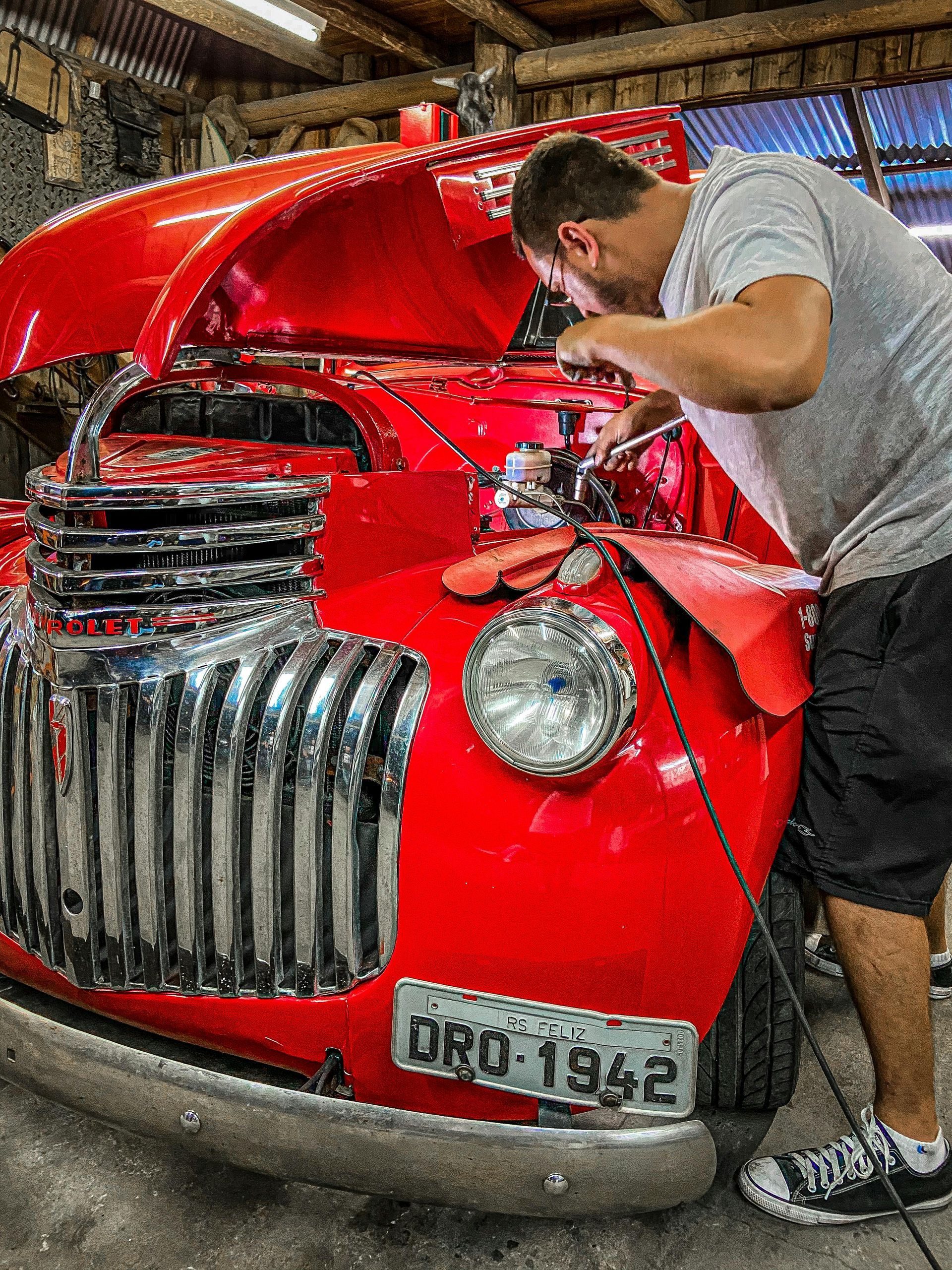
Auto restoration is the ultimate labor of love in the automotive world, transforming a "basket case" or a weathered classic back to its former glory—or sometimes making it even better than it was on the showroom floor. Unlike a standard repair shop that focuses on quick turnarounds, a restoration service is a deep-dive process that often involves stripping a vehicle down to its bare chassis to address decades of wear, rust, and mechanical fatigue.
The Spectrum of Restoration
Restoration services generally fall into three categories depending on the owner's goals and budget:
- Survivor/Preservation: The goal here is to keep as much of the original car as possible, cleaning and repairing components rather than replacing them to maintain the vehicle’s historical "patina."
- Concours Restoration: This is the gold standard for show cars. Every nut, bolt, and fabric weave is sourced or fabricated to match the exact factory specifications of the year the car was produced. The aim is a perfect, "period-correct" score from judges.
- Restomod: A popular modern twist where the classic aesthetic is preserved, but the "guts" are replaced with modern technology. Think of a 1960s Mustang body paired with a fuel-injected engine, disc brakes, and air conditioning for a reliable, modern driving experience.
A Comprehensive Technical Journey
Because a full restoration touches every inch of the vehicle, it requires a multidisciplinary team. The process usually begins with media blasting (using crushed glass or walnut shells) to strip away old paint and reveal the true condition of the metal underneath. From there, it moves through several specialized stages:
- Mechanical Overhaul: Rebuilding the engine, transmission, and suspension to ensure the car doesn't just look good, but performs safely.
- Electrical Rewiring: Replacing brittle, 50-year-old wiring harnesses with modern, fire-safe versions.
- Interior Craftsmanship: Sourcing period-accurate leathers, vinyls, and carpets, often involving custom upholstery work to restore the cabin's original smell and feel.
Patience and Investment
It’s important to go into a restoration with realistic expectations. These projects are notorious for "scope creep"—where fixing one leak reveals a rusted frame rail or a cracked block. A high-quality restoration can take anywhere from several months to several years to complete. However, for many enthusiasts, the result is a priceless piece of rolling history that can be passed down through generations, often appreciating in value as the rarity of the vehicle increases.