Fabrication
While standard repair services focus on fixing what's broken, autobody fabrication is the art of creating what no longer exists or never existed in the first place. It is a highly specialized craft that bridges the gap between traditional repair and structural engineering. Whether it’s for a classic car restoration where parts are no longer manufactured, or a custom build requiring a one-of-a-kind silhouette, fabrication is where raw metal meets high-level artistry.
The Toolkit of the Fabricator
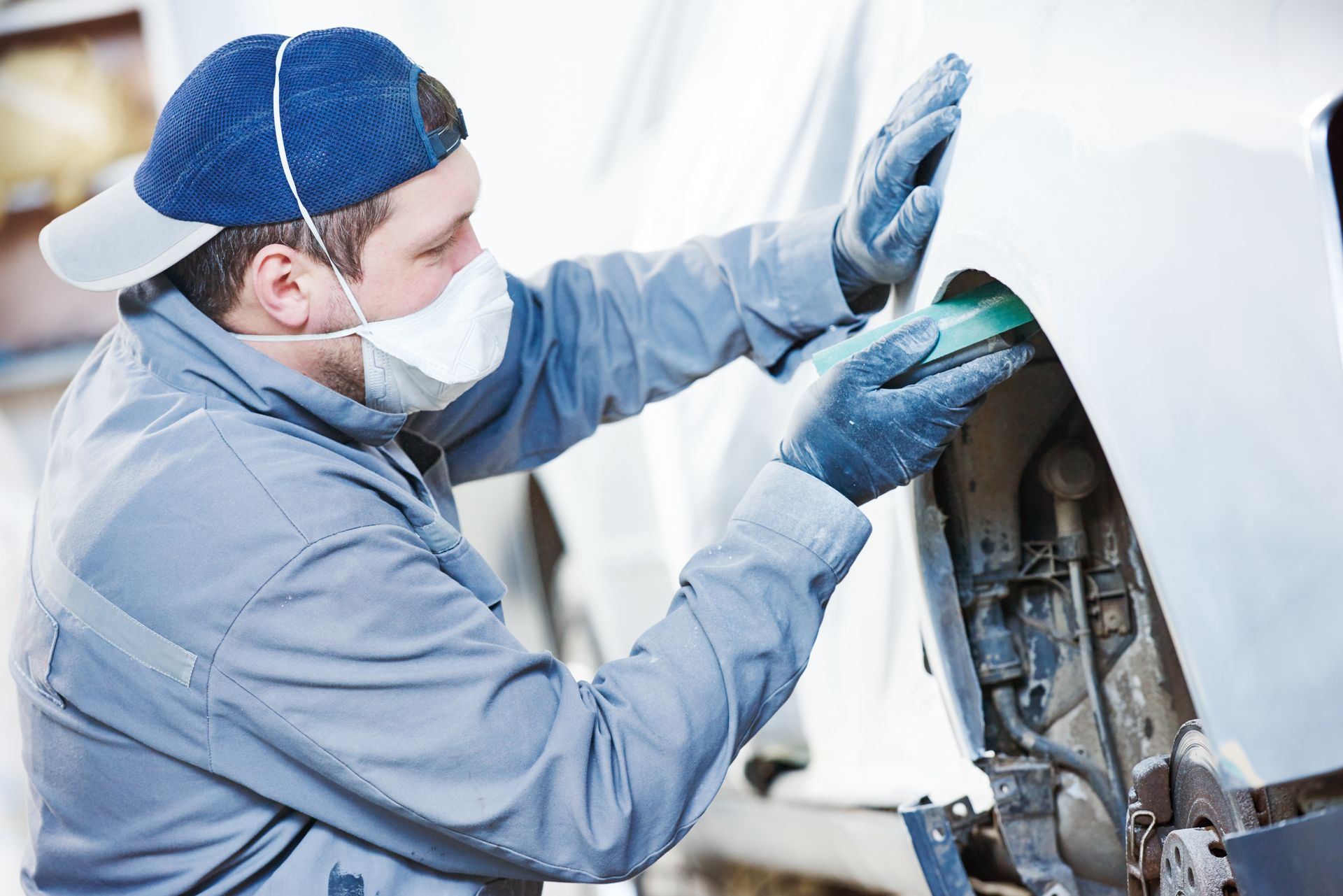
Unlike a typical body shop that might just "bolt on" a new fender, a fabrication shop uses a variety of manual and mechanical tools to shape metal from scratch.
- Shaping Tools: Technicians use English wheels, planishing hammers, and power hammers to create complex, compound curves in sheet metal.
- Precision Cutting: Tools like plasma cutters and laser scanners allow for surgical precision when removing rotted sections of a frame or creating intricate new components.
- Structural Integrity: Modern fabrication often involves advanced welding techniques—such as TIG (Tungsten Inert Gas) or MIG (Metal Inert Gas) welding—to ensure that the new metal is just as strong, if not stronger, than the original structure.
From Rust Repair to Customization
Fabrication services generally fall into two categories: Restoration and Modification.
- Restoration: This is often the "saving grace" for vintage vehicles. If a 1950s floor pan has rusted away and the part hasn't been made in decades, a fabricator will hand-form a new one to match the original factory geometry exactly.
- Modification: This is where the creativity shines. It includes "chopping" roofs, "shaving" door handles, or widening wheel arches to accommodate larger tires. It’s about altering the vehicle’s DNA to meet a specific aesthetic or performance goal.
The Importance of Material Science
A master fabricator doesn't just work with steel; they must understand the properties of aluminum, stainless steel, and even chromoly tubing. Because different metals react differently to heat and stress, the fabricator must calculate how a panel will expand or contract during the welding process. This ensures that the final product isn't just beautiful, but remains dimensionally accurate and safe at high speeds.