Hail Damage Repair
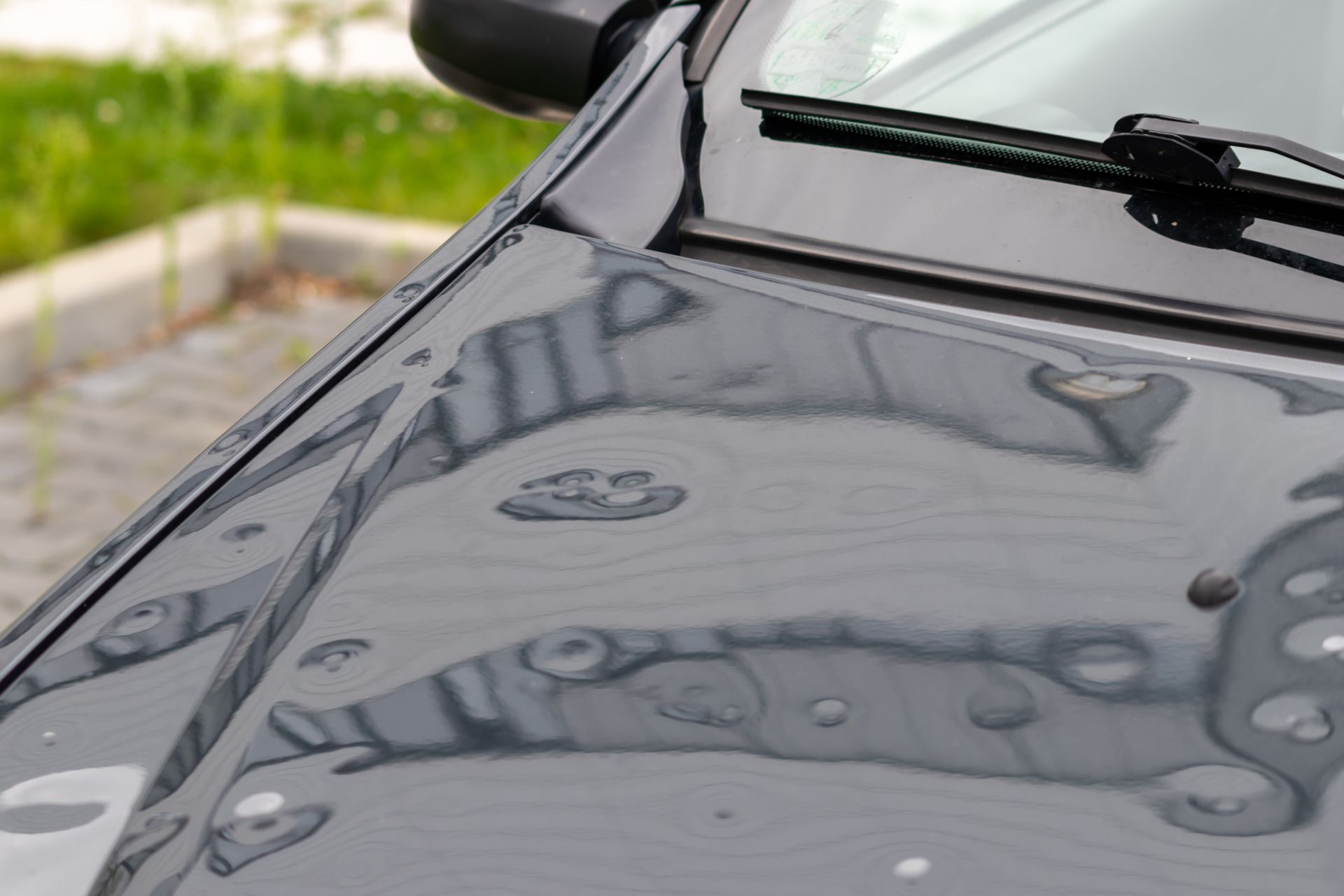
Dealing with automotive hail damage is an understandably frustrating experience, but modern repair techniques have come a long way. When your vehicle has been caught in a storm, there are generally two paths to getting it back on the road: Paintless Dent Repair (PDR) and Conventional Bodywork. Understanding the difference between the two can save you a significant amount of time and stress.
The Preferred Method: Paintless Dent Repair (PDR)
For most hail damage, Paintless Dent Repair (PDR) is the industry standard and typically the first choice for both insurance companies and car owners.
How it works: Skilled technicians use specialized tools to access the backside of your vehicle’s panels, gently "massaging" the metal back into its original shape.
Why it’s great: Because it requires no sanding, fillers, or repainting, it preserves your car’s original factory finish. This not only keeps your vehicle’s resale value higher but is also faster, generally more affordable, and environmentally friendly.
When Conventional Repair is Necessary
While PDR is fantastic for most dings, it isn't always the solution. Conventional repair becomes necessary when the damage is too severe, such as:
Cracked or chipped paint: If the hail caused the paint to break, PDR alone won't suffice because the finish needs to be repaired to prevent rust.
Deep creases or stretched metal: If the impact was strong enough to stretch the metal or create deep, sharp creases, the panel may need to be filled, sanded, and repainted to achieve a seamless look.
Structural compromise: In cases of extreme storm damage where body panels are severely warped, parts may need to be replaced entirely.
Key Advice for the Process
Before you start any repairs, document everything. Take clear photos and videos of the damage from multiple angles while the car is clean—hail dents are notoriously difficult to photograph, so using good lighting is key. Then, reach out to your insurance provider to confirm your coverage details. Most reputable repair shops are experienced in working directly with insurance adjusters, which can take much of the administrative burden off your plate.